0%

Art and Science — The Pagani Philosophy

Hypercars and the Pursuit of Harmony in the Spirit of Leonardo da Vinci

Thu, Apr 29, 2027 – Wed, May 5, 2027 TOKYO MIDTOWN  HALL 9-7-1 Akasaka, Minato-ku, Tokyo

Cultural partner: Museo Nazionale Scienza e Tecnologia Leonardo da Vinci

Key visual of Art and Science — The Pagani Philosophy: Leonardo's Vitruvian Man with the Pagani Utopia over design sketches. 29 April – 5 May 2027, TOKYO MIDTOWN  HALL

TOKYO MIDTOWN  HALL

The ideas of a genius from 500 years ago,and a modern “work of art in motion”, right before your eyes.

News

  • 2026.11.17Official website now open

ART and SCIENCE — the timeless philosophy that beauty dwells in superior function. A world-first special art exhibition, featuring precious original works and materials shown in Japan for the first time.

Leonardo da Vinci, the genius behind countless masterpieces and inventions, pursued the “harmony of art and science.” Across 500 years, that philosophy lives on in the Hypercars of PAGANI. Celebrated as “works of art in motion,” these cars are the crystallization of form, proportion, and function united at the highest level. This exhibition presents the source of that aesthetic and craftsmanship through a precious collection and experiential art.

Realized in collaboration with the Museo Nazionale Scienza e Tecnologia Leonardo da Vinci in Milan, this is a world-first special exhibition. Alongside original manuscripts in Leonardo da Vinci’s own hand and historical models—shown in Japan for the first time—it presents actual cars from Pagani’s iconic lineage. An experiential light-and-sound installation by NAKED INC. envelops the space. Over seven days, visitors can explore, with all five senses, knowledge and beauty meeting across time.

Philosophy

Pagani’s Car-Making, Heir to Leonardo da Vinci’s Thinking

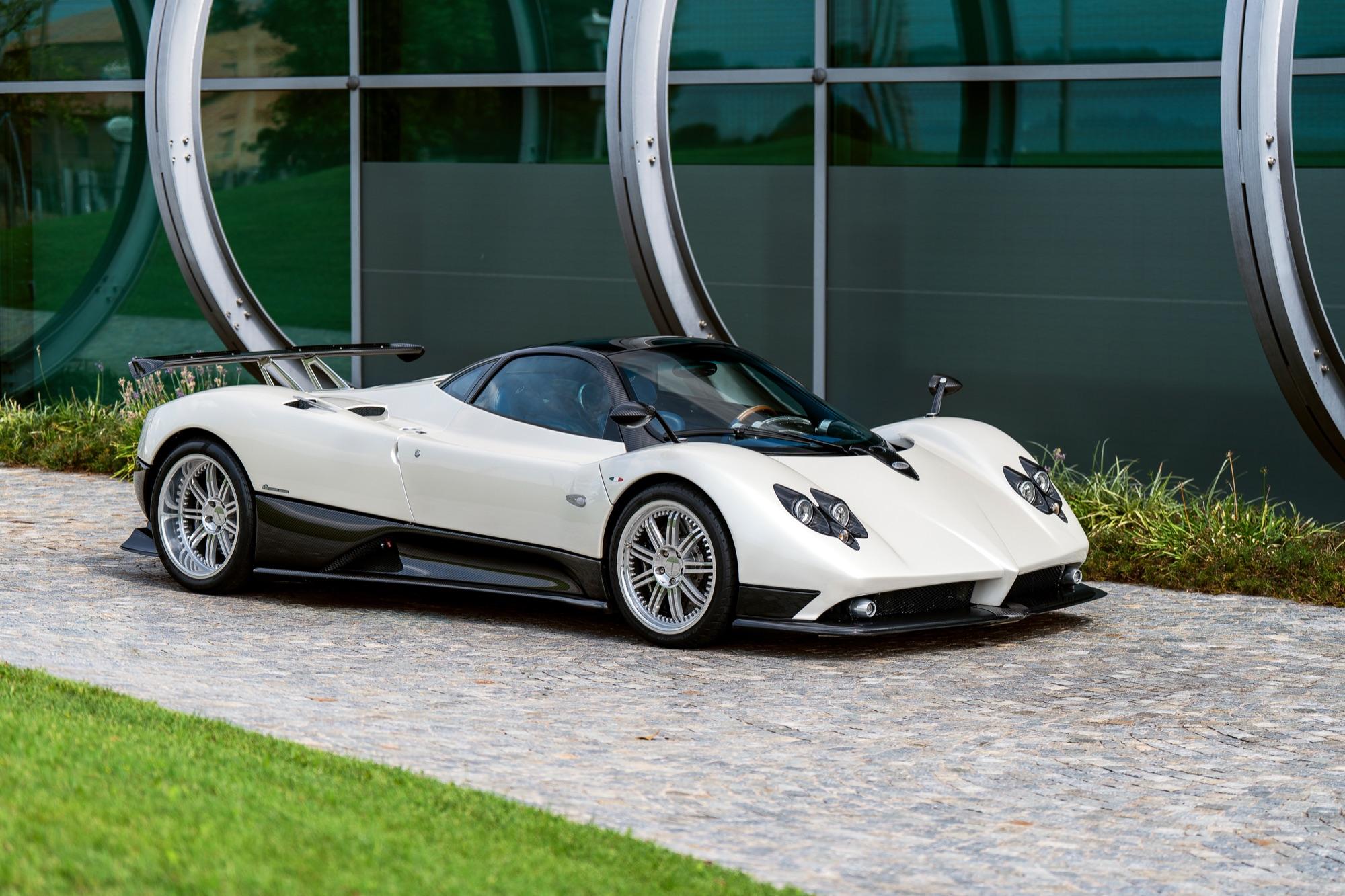
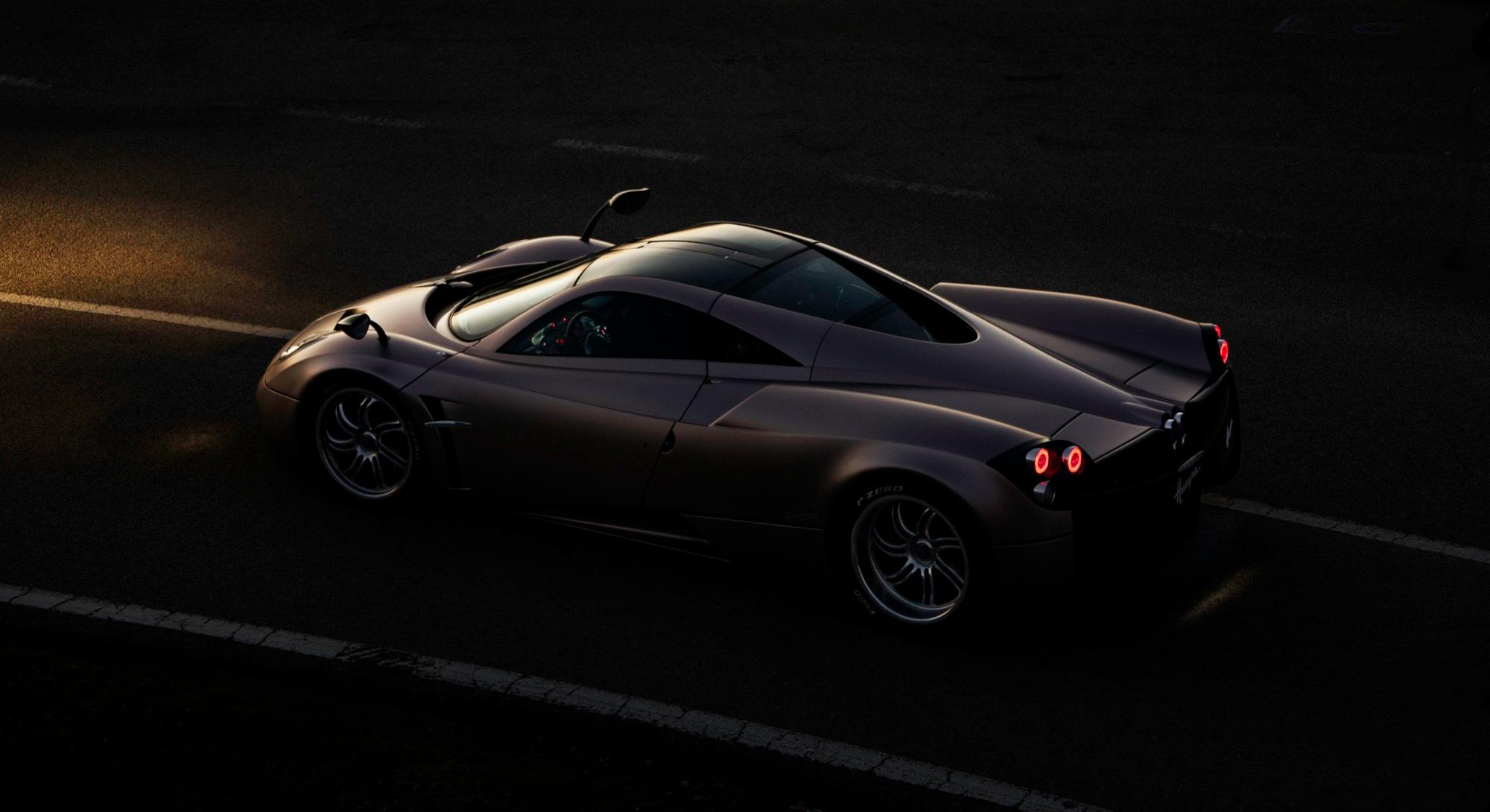
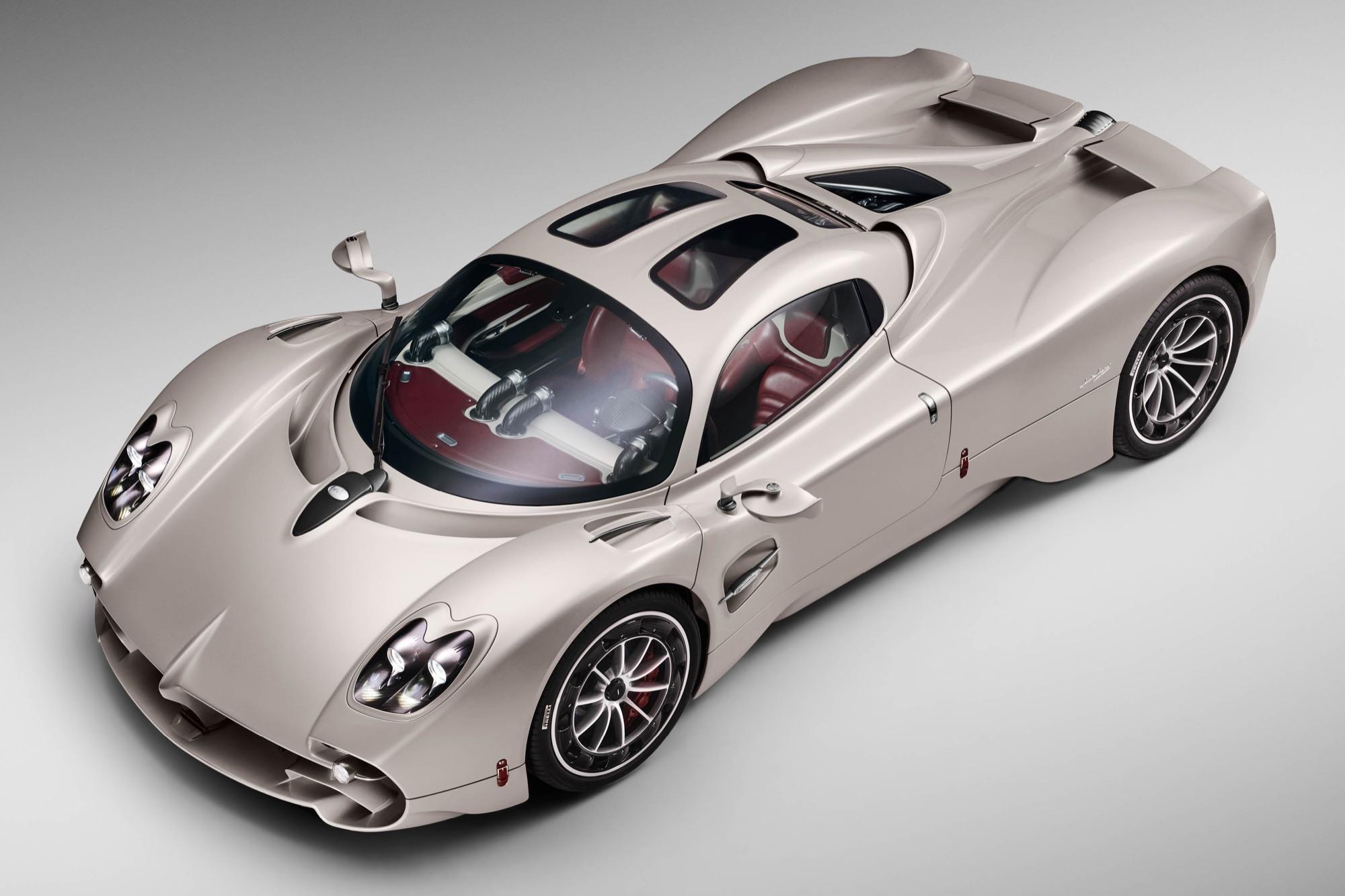
The “harmony of art and science” embodied by Leonardo da Vinci lies at the heart of Horacio Pagani’s approach to building cars. Encountering that philosophy as a boy, he cultivated a commitment to pursuing beauty and function as one. That spirit has been passed down through the Pagani Zonda, the Pagani Huayra, and the Pagani Utopia. Aerodynamic function is integrated into flowing bodywork, and even the mechanisms themselves are given beauty. In every car lives the spirit of Leonardo, who observed nature and united scientific understanding with artistic expression.

  • Pagani Zonda F
  • Pagani Huayra
  • Pagani Utopia

the Pagani Zonda

The Pagani Zonda fuses the advanced material of carbon fiber with sculptural beauty. In the Pagani Zonda S in particular, a finish that reveals the weave elevates the very material that provides lightness and strength into an aesthetic expression.

Highlights

A World First

Discovering the Essence of Pagani Through Experiential Art

Three milestones that tell Pagani’s story—the Pagani Zonda, the Pagani Huayra, and the Pagani Utopia—come together with the Pagani Huayra R, limited to just 30 units worldwide. In the main area, an experiential light-and-sound production by NAKED INC. envelops the Hypercars. Accompanied by an original suite performed on traditional Japanese and Italian instruments, it is a space where visitors can experience the philosophy with all five senses.
A Japan First

Original Leonardo da Vinci Drawings and Historical Models on Special Display

This exhibition explores Leonardo da Vinci, the genius painter, as an observer and an engineer. Through digital analysis of his manuscripts and 20 models from the collection of the Museo Nazionale Scienza e Tecnologia Leonardo da Vinci in Milan, it unravels the ideas that laid the foundations of modern design. Also on special display are Leonardo’s original handwritten stage-design manuscript for the play Orfeo, shown in Japan for the first time, and a rare copy of De Divina Proportione.

Participatory Art That Sparks the Imagination of the Next Generation

Guided by the founder’s belief that “when different talents share their knowledge, ideas that transcend time are born,” a digital area opens where children can experience creativity firsthand. Visitors choose colors and designs to draw their own original Pagani, enjoying the meticulous atelier process that leads from observation to form.

Founder

About Pagani’s Founder, Horacio Pagani

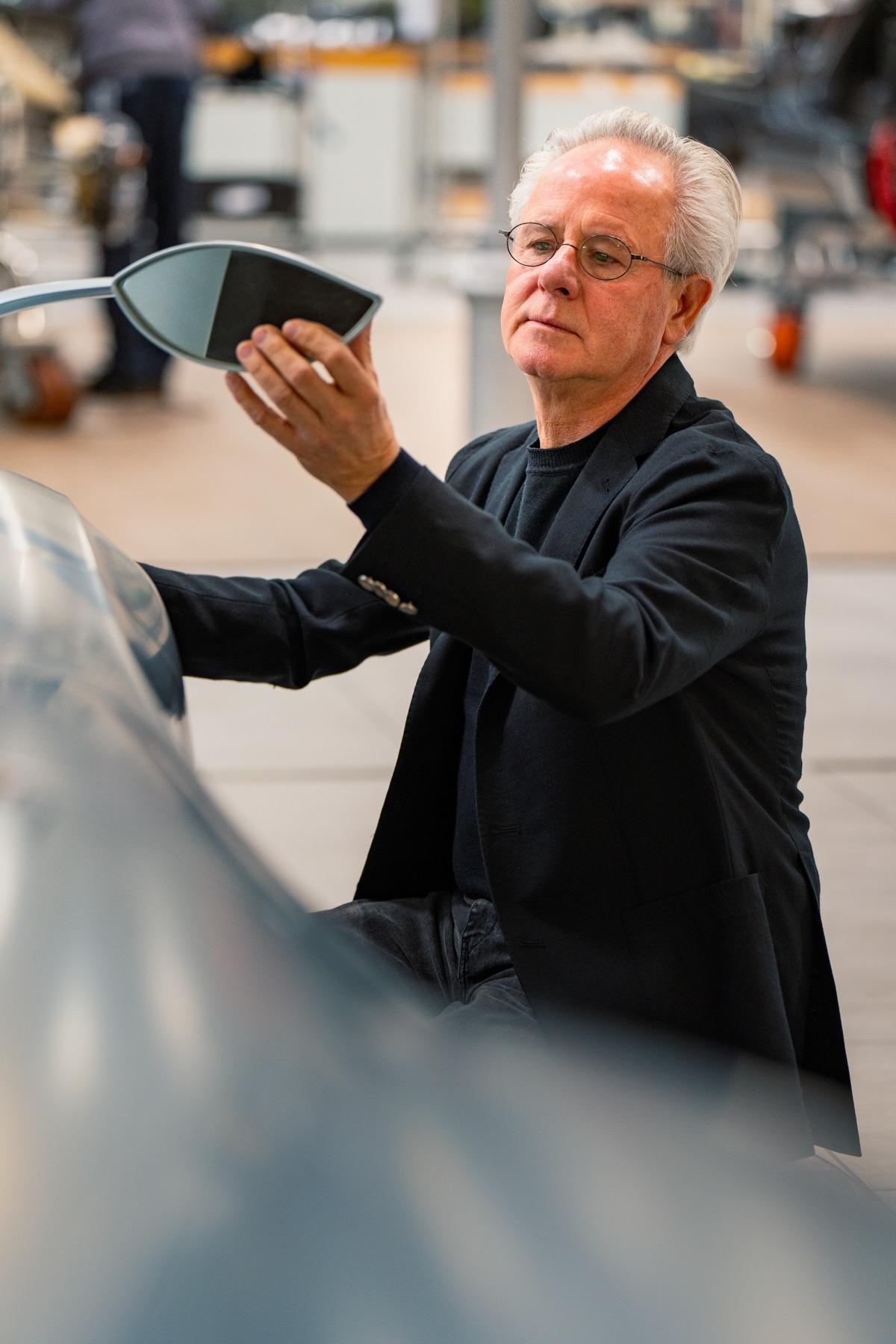
Horacio Pagani

Horacio Pagani

Born on November 10, 1955, in Casilda, Argentina. Passionate about automobiles from childhood, he opened his own workshop before the age of 20 and made his circuit debut in 1979 with a Formula 2 car he built himself. With the support of legendary Formula 1 driver Juan Manuel Fangio, he moved to Italy in 1983 and joined Lamborghini, where he led the development of special versions of the iconic Countach and became a pioneer in the use of carbon-fiber structures.

In 1991 he founded Modena Design, specializing in advanced composite materials, and in 1998 established Pagani Automobili in San Cesario sul Panaro, near Modena. Having introduced three generations of signature models—the Pagani Zonda, the Pagani Huayra, and the Pagani Utopia—he continues, guided by the spirit of Leonardo da Vinci, to write a story of evolution in which art and science advance together.

Information

Exhibition Overview

Title
ART AND SCIENCE – THE PAGANI PHILOSOPHY:The Pursuit of Harmony Through Hypercars and the Spirit of Leonardo da Vinci
Dates
Thu, Apr 29, 2027 – Wed, May 5, 2027
Opening Hours
9:00 a.m. – 5:00 p.m.
Venue
TOKYO MIDTOWN  HALL 9-7-1 Akasaka, Minato-ku, Tokyo
Organizer
PAGANI Automobili S.p.A.
Cultural Partner
National Museum of Science and Technology Leonardo da Vinci
Sponsors
Mitsubishi Chemical CorporationBrembo N.V.
Special Cooperation
SKY GROUP / Pagani of TokyoTokyo Midtown Management Co., Ltd.
In Cooperation With
Pirelli & C. S.p.A.
Joint Planning, Direction, and Production
NAKED INC.
Reservations & Tickets
Details to follow (advance booking required)
Access
  • Roppongi Station (Toei Oedo Line): Direct access from Exit 8.
  • Roppongi Station (Tokyo Metro Hibiya Line): Direct access via an underground passage.
  • Nogizaka Station (Tokyo Metro Chiyoda Line): Approximately 3 minutes on foot from Exit 3.
  • Roppongi-itchome Station (Tokyo Metro Namboku Line): Approximately 10 minutes on foot from Exit 1.

The map is shown once you accept the use of cookies.

Open in Google Maps